Post Hepatic Obstruction/Common Bile Duct Mass in a 11-year-old MN, DSH Cat

Case Study

Post Hepatic Obstruction/Common Bile Duct Mass in a 11-year-old MN, DSH Cat

On presentation: anorexia of one week duration, jaundice, elevated liver enzymes, some vomiting, weight loss, lethargy. Painful on abdominal palpation. Rads NSF.

Abnormal BW on presentation: ALT 535, ALKP 208. GGT 39, Tbili 1.8. CBC normal.

Treated with cerenia, SQ fluids, clavamox, mirataz.

7 days later repeat BW ALT 591, ALKP 278, GGT 21, Tbili 7.5

Enrofloxacin added to meds

Sonographic Differential Diagnosis

Bile duct carcinoma

Concurrent pancreatitis

Probable IBD

Image Interpretation

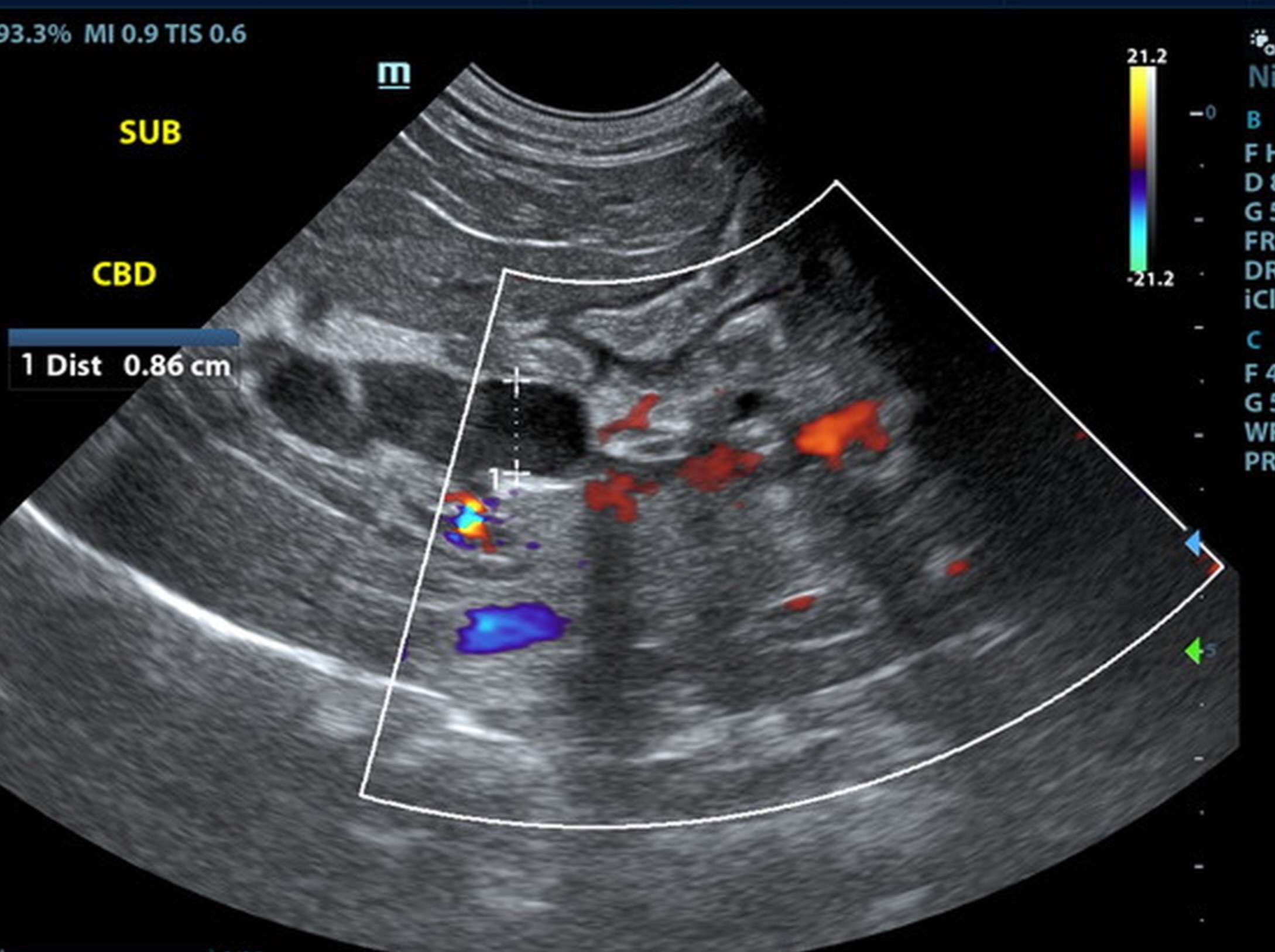
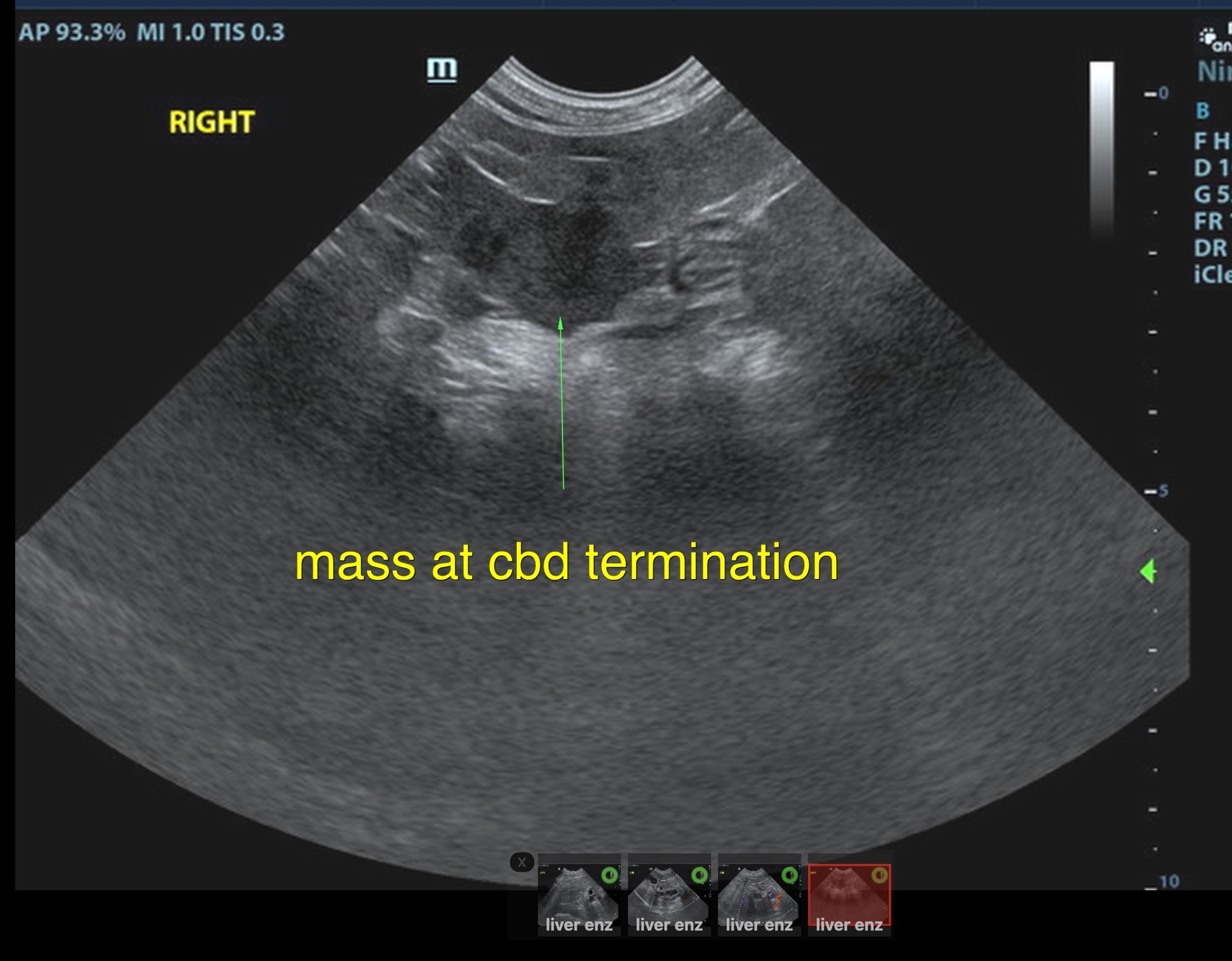
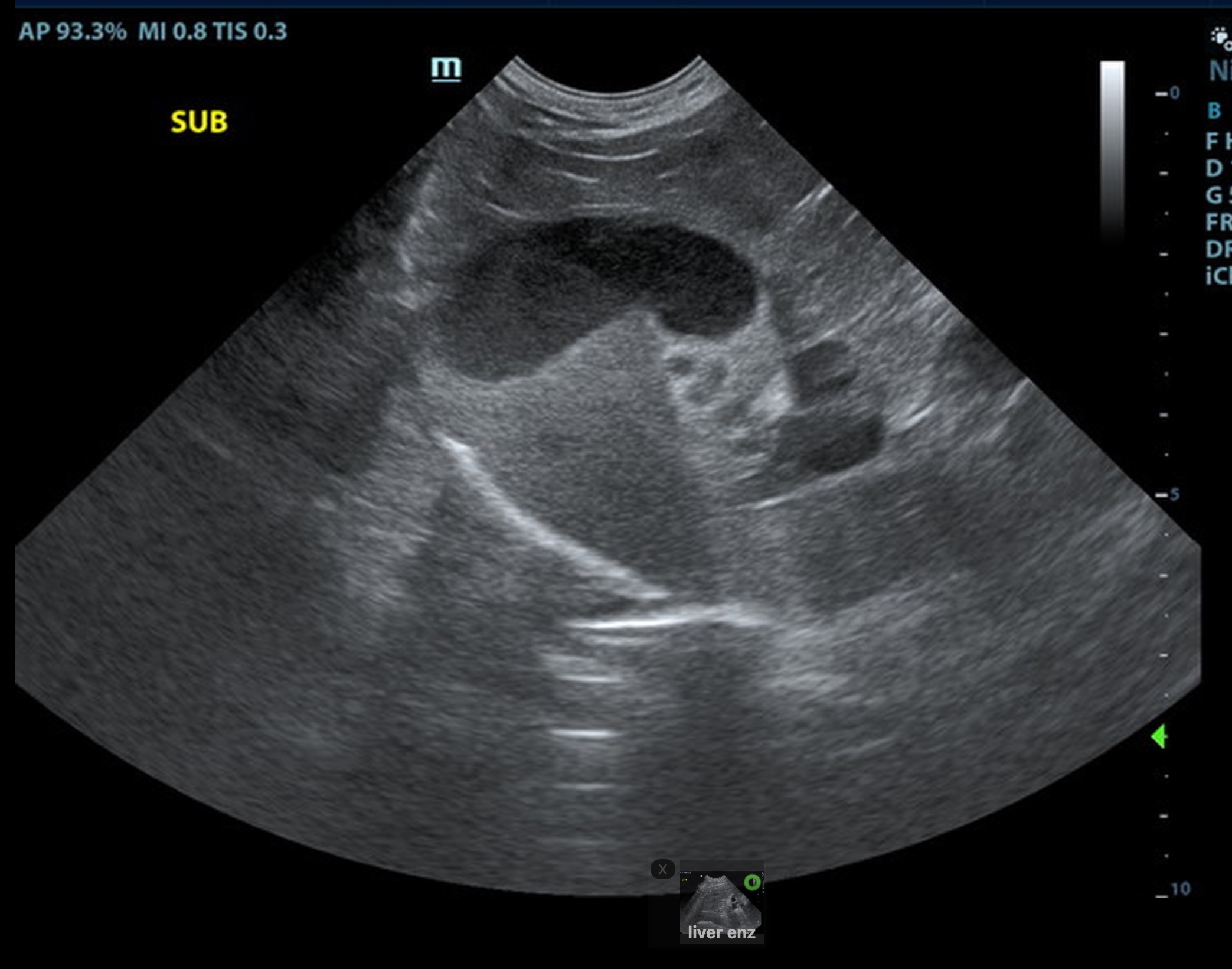
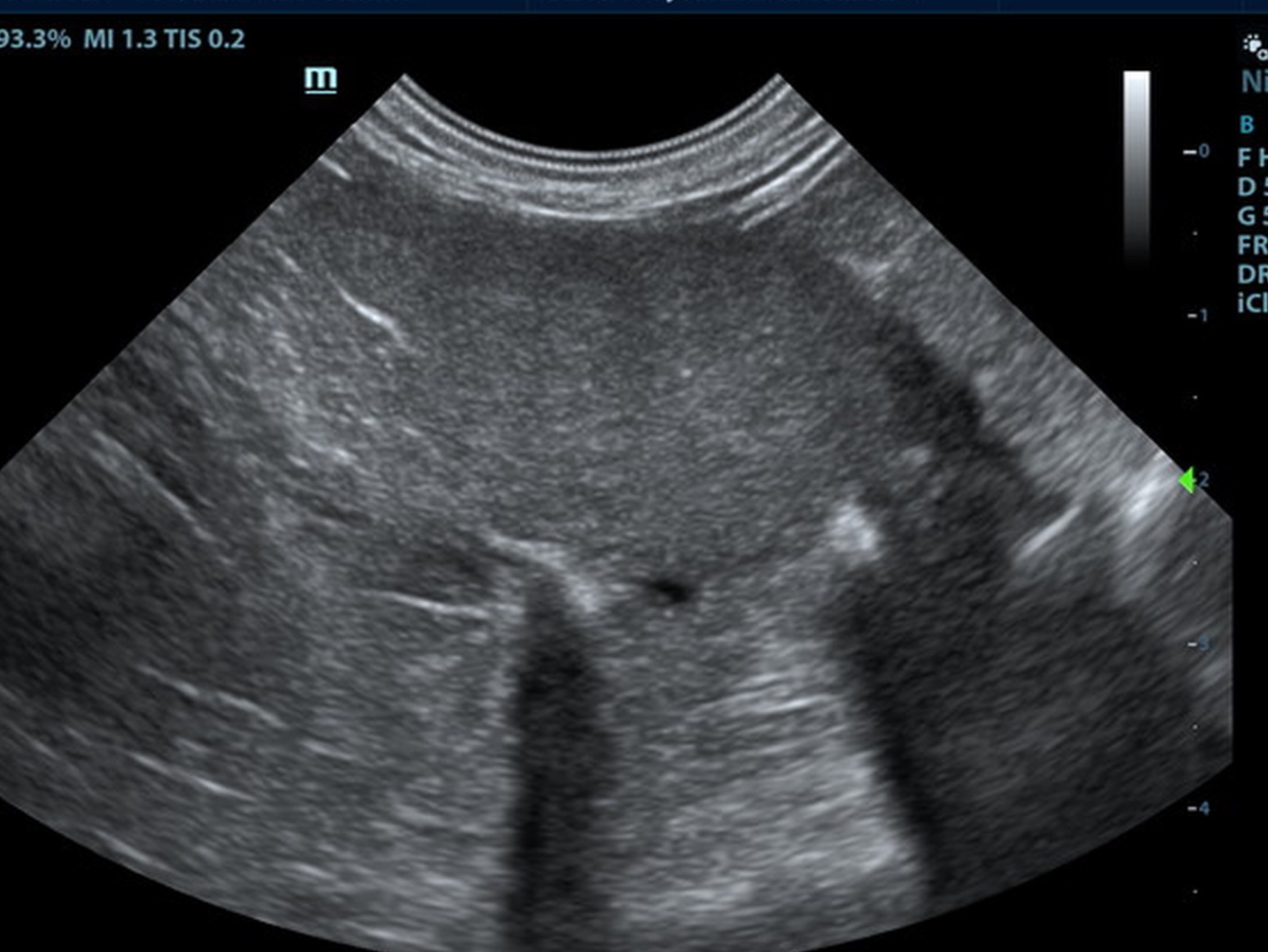
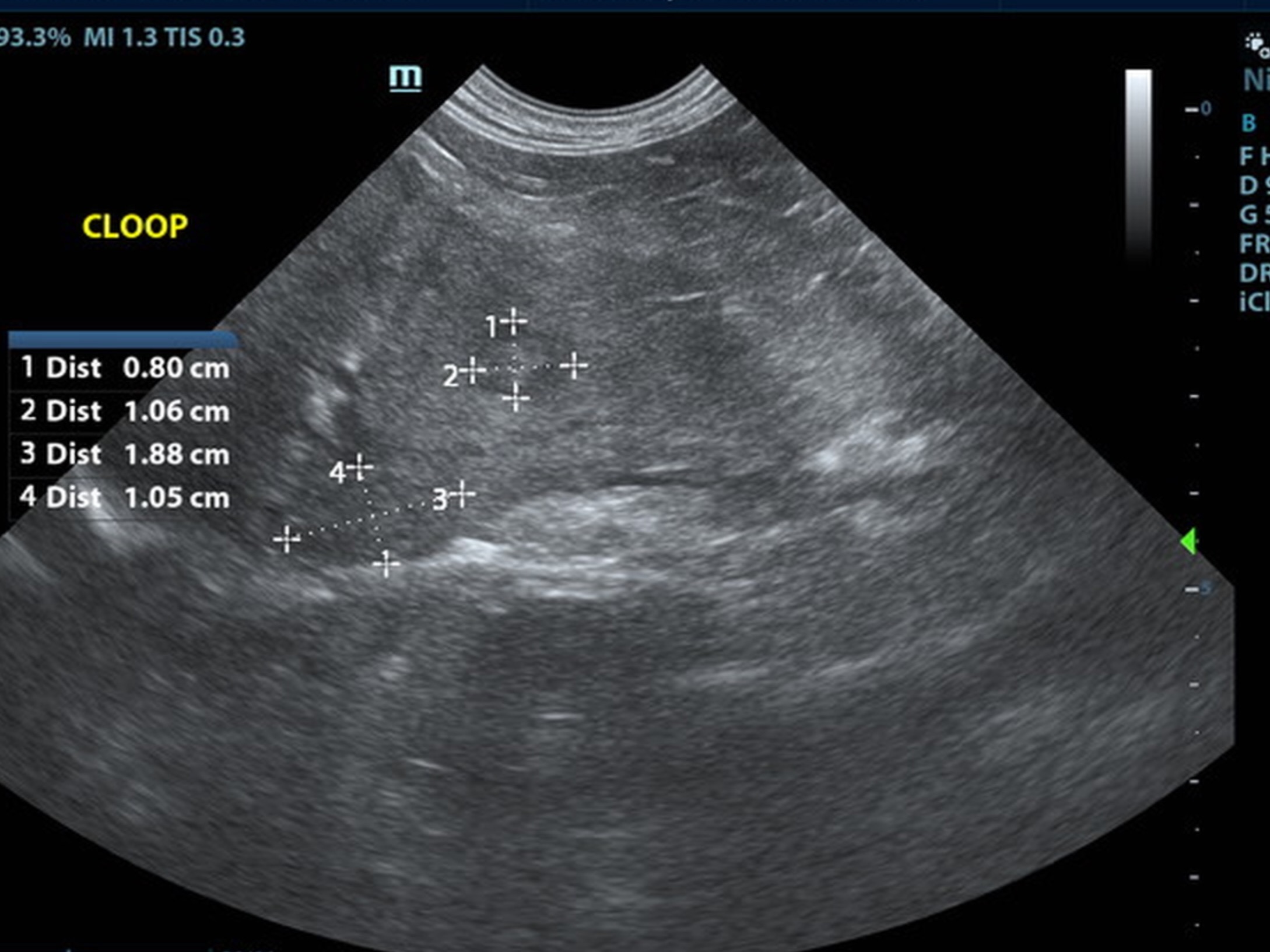
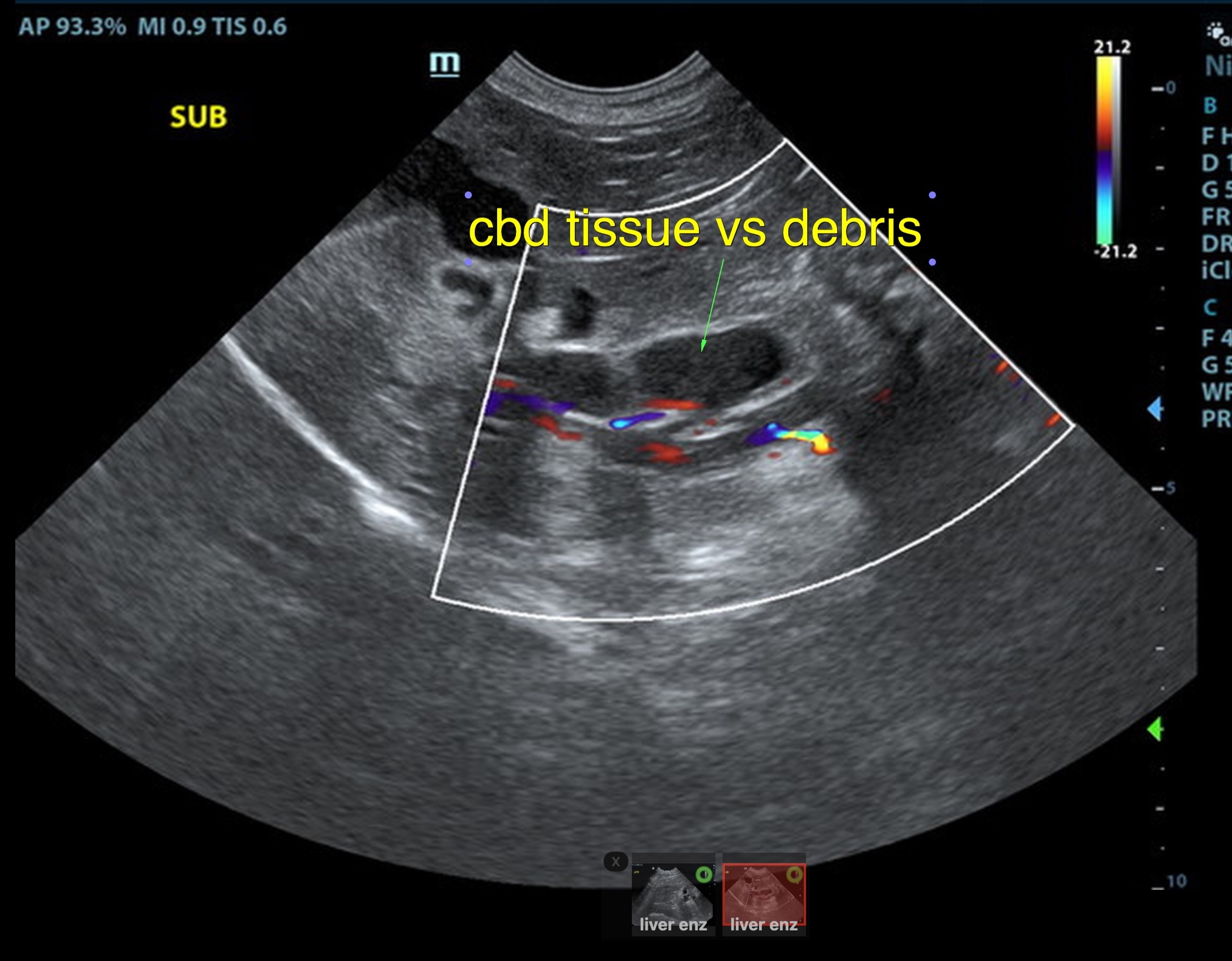
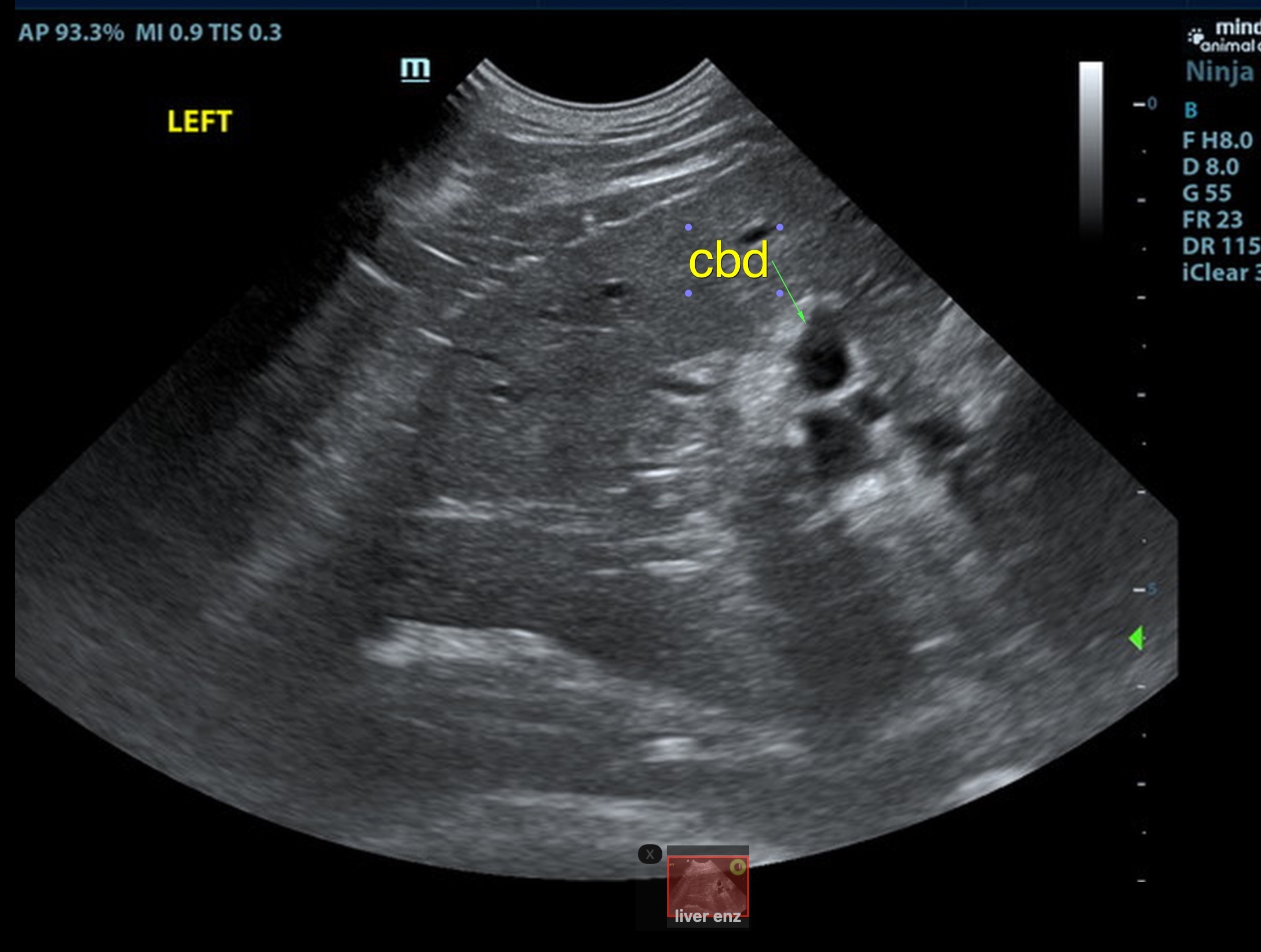
Local biliary duct dilation noted with post hepatic obstruction. Gallbladder was turgid. The common bile duct (CBD) was dilated with echogenic debris or possible tissue proliferation. The CBD measred 0.86 cm. An overt mass was noted at the common bile duct termination, measuring 2.0 cm. Target-type nodules noted in the liver.

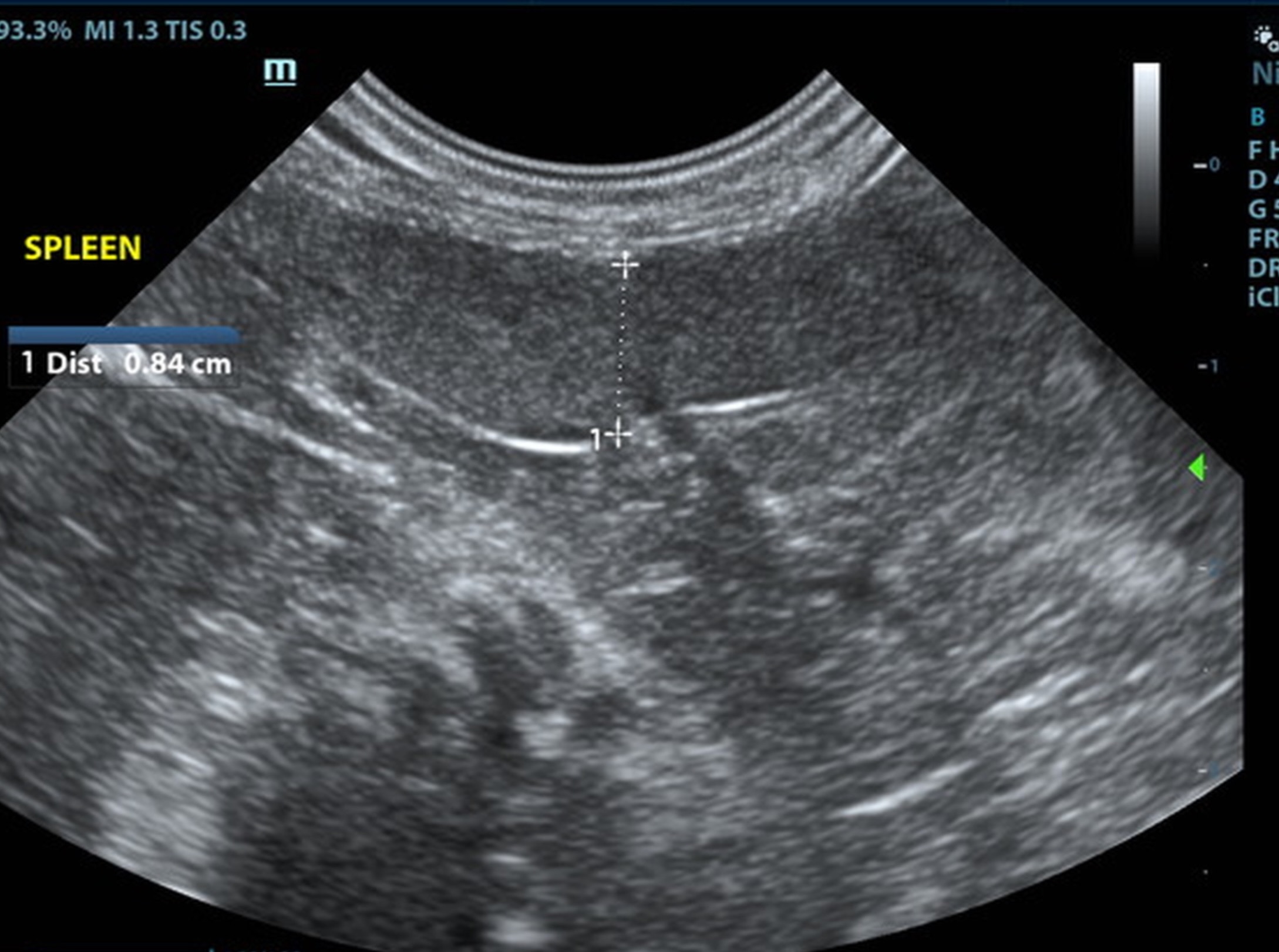
The spleen was mildly enlarged and folded upon itself caudally. The splenic parenchma was uniform. The spleen measured 0.84 cm.

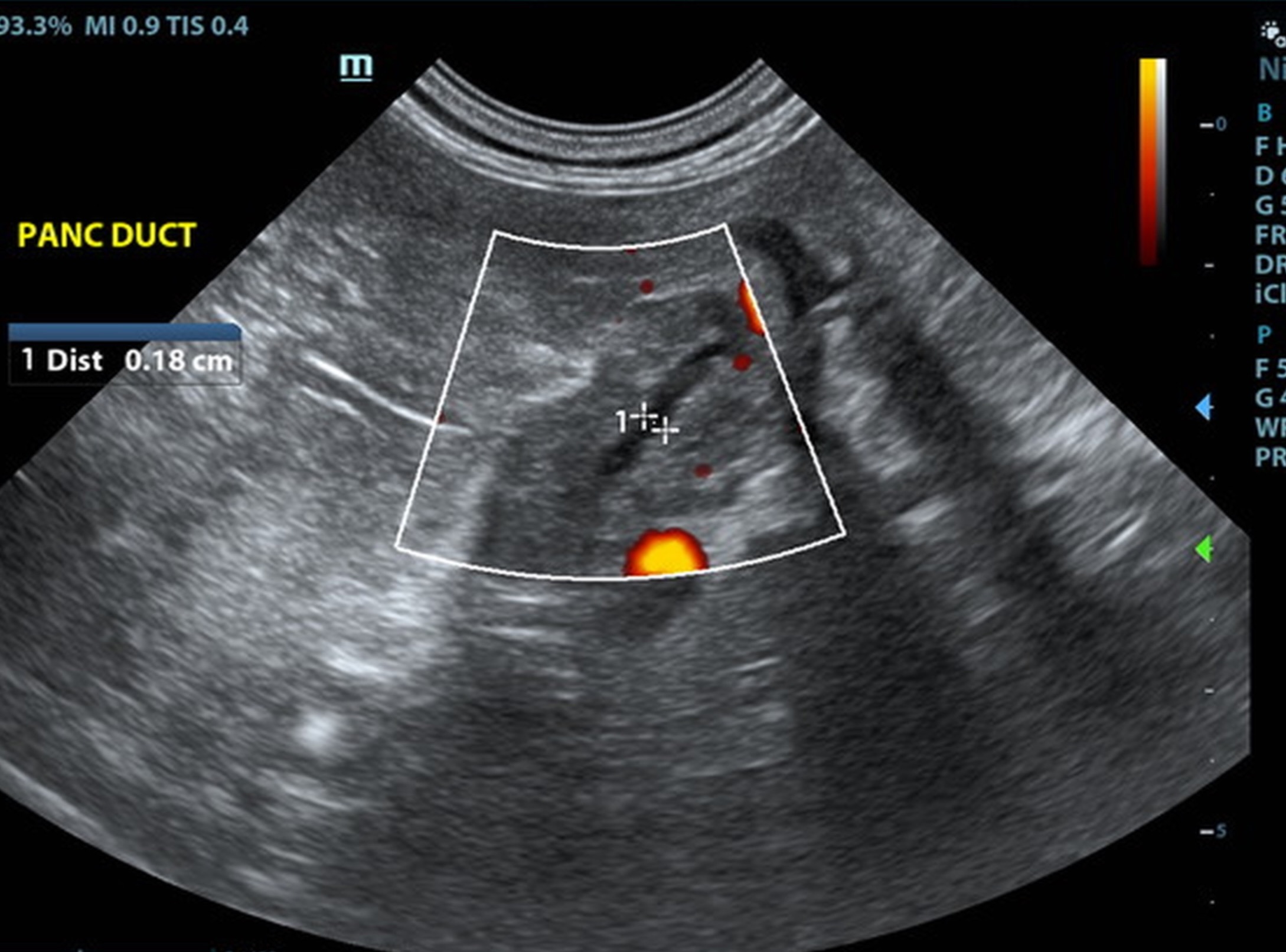
The pancreas revealed coarse architectre and dilated pancreated duct. Coarse, irregular contour noted. The left limb of th pancreas was irregular with increased pericapsular inflammator pattern.

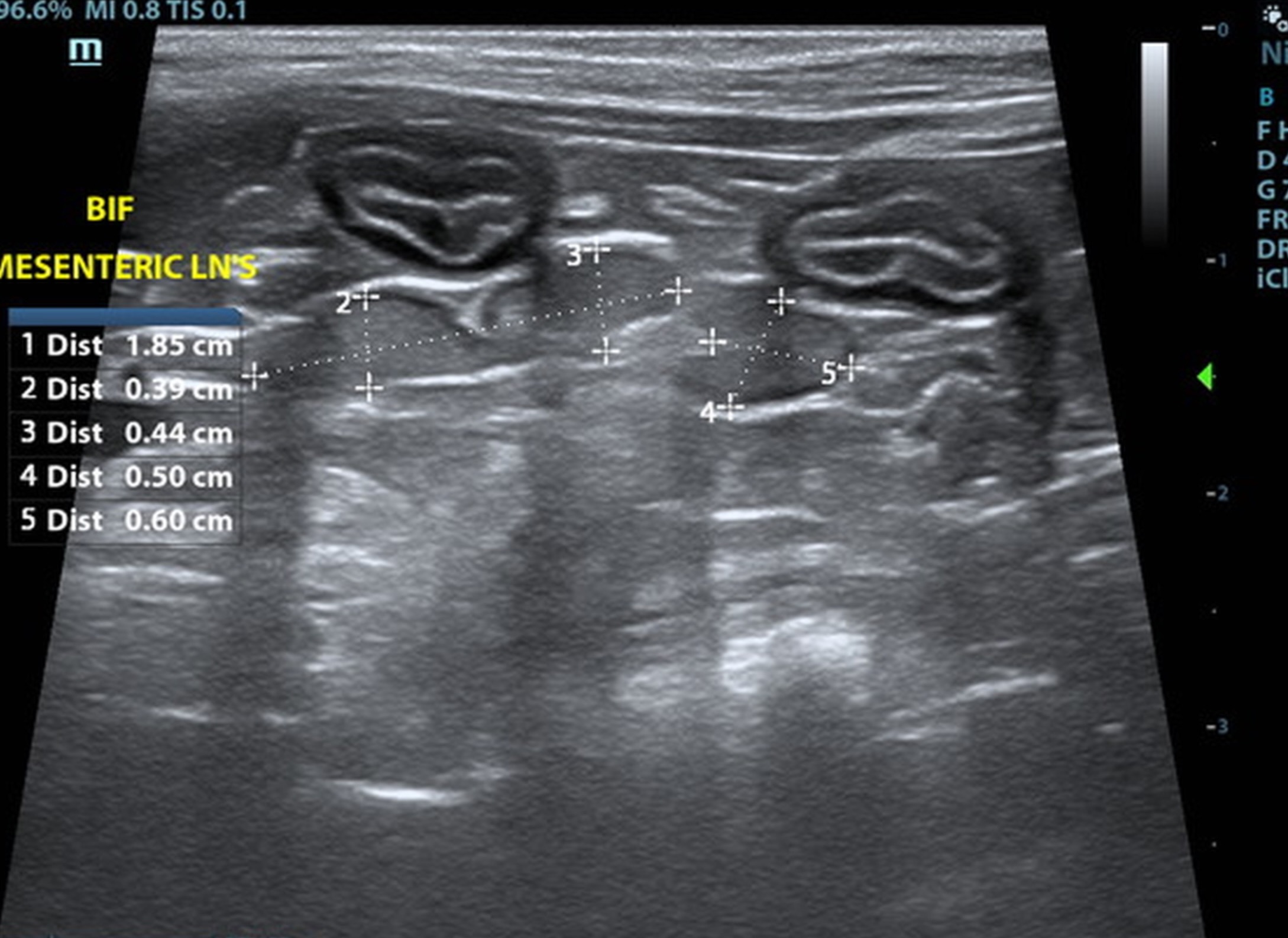
Mild uniform prominence of the gastric mucosa as well as areas of “ropey” small intestinal wall. Hypertrophied mscularis with inverted normal ratio (1:3). Submucosa slightly irregular, thickened and hyperechoic suggestive of low grade chronic inflammation. Probable IBD with low possibility of early neoplastic event such as lymphoma or less likely dry form FIP.  Consider full thickness biopsies via open lapartotomy. Reactive mesenteric lymph nodes measured 1.85 x 0.44.
 

Comments

US-guided FNAs of the common bile duct mass and target liver nodules are recommended to confirm suspicion of neoplasia causing the post hepatic obstruction. High suspicion of carcinoma given the nodular hepatic changes. If FNA is benign, then surgical intervention can be considered.

Sampling

Patient Information

Gender : Male, Neutered
Species : Feline
Type of Imaging : Ultrasound

Clinical Signs

  • Anorexia
  • Icterus
  • Vomiting
  • Weight loss

Exam Finding

  • Abdominal Pain

Images

Blood Chemistry

  • Alkaline Phosphatase (SAP), High
  • ALT (SGPT), High
  • GGT High
  • Total Bilirubin, High

Clinical Signs

  • Anorexia
  • Icterus
  • Vomiting
  • Weight loss
Skip to content